III. 20 pataca Macao
IV. 500 pataca Macao
V. 10.000 rupi Indonezia
VI. 20.000 rupi Indonezia
VII. 50.000 rupi Indonezia
III. 20 pataca Macao
IV. 500 pataca Macao
V. 10.000 rupi Indonezia
VI. 20.000 rupi Indonezia
VII. 50.000 rupi Indonezia
Utilizați butonul de Translate din dreapta pagini pentru traducere.
We are going to know in a single entry the latest issues of French coins that have been issued during the last dates. Emissions that reveal that the Monnaie de Paris is buying licenses for famous fictional characters, whether or not they have to do with the Gallic country, to translate them into showy coins.
Thanks to the catalog that the Monnaie de Paris publishes about four times a year, just the first one in 2021, we are going to get to know in depth the latest issues of the French Mint.
Unfortunately many of these broadcasts are not presented in Visual Numismatics, not because they are not interesting, which they are a lot, but because of the lack of time to accommodate everything that is broadcast on this website. So this catalog and future ones will help me to keep you better informed about the emissions of our neighboring country.
In this first catalog of 2021, the Monnaie de Paris invites us to discover the following coins and coin collections:
• La Semeuse celebrates the 20th anniversary of the Starter Kit, with a reissue of the bags with assorted euro coins distributed when the first euros were put into circulation.
• The 2 euro commemorative coin dedicated to UNICEF on the occasion of the 75th anniversary of its creation. For every 2 euro coin sold, the Paris Mint agrees to donate 2 euros to UNICEF.
• The continuation of the trilogy of Euros of Gold and Silver of the series «Natures de France», with the symbol of the laurel leaf.
• The second part of the coin collection dedicated to the "Smurfs" is also completed with a series of medals and mini medals.
• A brand new series dedicated to Harry Potter, consisting of collectible coins and medals.
• Lucky Luke and the Little Prince collectible coins celebrate the 75th anniversary of these famous characters.
If you are interested in acquiring any of these coins, or most of those that I present here, my recommendation is that you buy from professionals who help maintain the blog and who, thanks to their sponsorships, make the continuity of Visual Numismatics possible.
Numismatic Drachma
Monedalia
Carrasquilla Philately
Silverscoins Europe
Powercoin
Sursa informațiilor aici.
III. 20 peso uruguayo Uruguay
IV. 50 peso uruguayo Uruguay
V. 50.000 dinari Irak
VI. 500 dolari Liberia
VII. 5.000 franci Africa de Vest - Senegal
VIII. 10 rupi India
IX. 20 rupi India
X. 100 rupi India
XI. 200 rupi India
XII. 500 rupi India
XIII. 200.000, 500.000 și 1.000.000 bolivar Venezuela
XIV. 1 dolar Trinidad și Tobago
XV. 1.000 naira Nigeria
XVI. 50 dolari Trinidad și Tobago
#ExponatulSăptămânii; #MuzeeleUBB; #fosileleClujului
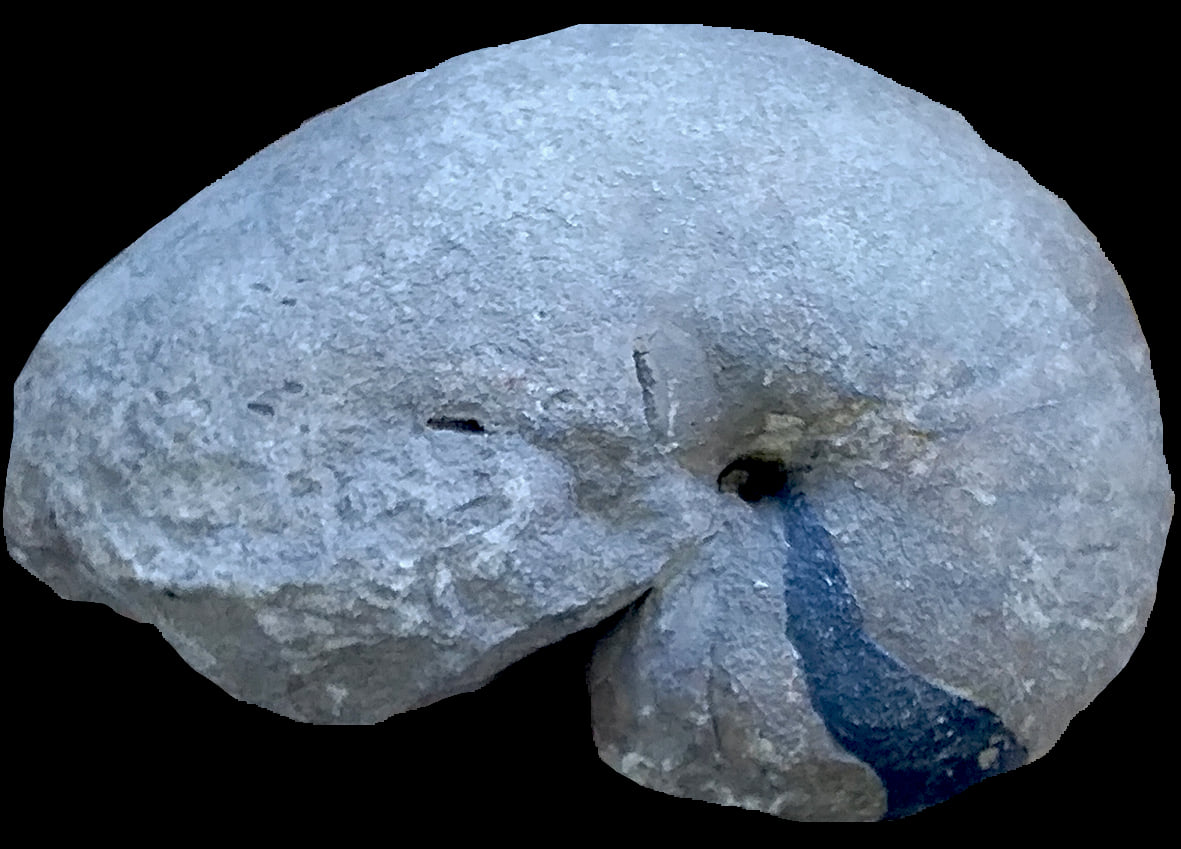
Cimomia - nautiloid din Eocen (56-33,9 mil. ani)
Cimomia este un gen dispărut de nautiloizi aparținând familiei Hercoglossidae. Această familie cuprinde specii fosile de nautiloizi care au trăit din timpul Jurasicului superior până în Oligocen. A fost înființată de Spath în 1927 pentru nautiloizii netezi, răsuciți spre interior (involuți), caracterizați printr-o sutură cu elemente distincte.
Genul Cimomia a fost larg răspândit în întreaga lume, în special în timpul Eocenului.
Odată cu răcirea globală din timpul Miocenului și Pliocenului, distribuția geografică a nautiloizilor s-a restrâns iar aceste animale rezistente și de lungă durată au scăzut din nou în diversitate.
Astăzi există doar șase specii vii, toate aparținând a două genuri: Nautilus (nautilul perlat) și Allonautilus care trăiesc doar în sud-vestul Pacificului.
#EN
Cimomia is an extinct genus of nautiloids belonging to the Hercoglossidae family. This family includes fossil species of nautiloids that lived during the Upper Jurassic until the Oligocene. It was established by Spath in 1927 for smooth, involute nautiloids characterized by a suture with differentiated elements.
Cimomia genus had a worldwide distribution especially during the Eocene epoch.
With the global cooling of the Miocene and Pliocene, their geographic distribution shrank and these hardy and long-lived animals declined in diversity again.
Today there are only six living species, all belonging to two genera: Nautilus (the pearly nautilus), and Allonautilus that live only in the southwest Pacific.
Sursa informațiilor Muzeul de Paleontologie-Stratigrafie UBB, Cluj-Napoca.
Apariție editorială la MNaB
Muzeul Național al Banatului anunță apariția volumului XXVII al anuarului Analele Banatului, Serie Nouă, Arheologie-Istorie (red. dr. Nicoleta Demian, Zsuzsanna Kopeczny, Dan Ciobotaru, dr. Andrei Georgescu, dr. Zoran Marcov, Dr. Felicia Oarcea, dr. Călin Timoc). Acest număr este dedicat memoriei dr. Alexandru Szentmiklosi (1971-2019).
Sunt aduse în atenția publicului un număr de 26 articole științifice din domeniile arheologie și istorie veche, istorie medie, modernă și contemporană, dar și din istoria culturii, istoria artei, muzeologie și conservare. Le mulțumim tuturor celor care au contribuit la apariția acestui volum.
Articolele cuprinse în volum pot fi descărcate gratuit de pe site-ul revistei: analelebanatului.ro
#mnab
Sursa informațiilor Muzeul Național al Banatului.